

You’ve probably been there. You wash the car, dry it carefully, lay down a quick detailer, and for about a day or two it looks fantastic. Then the dust comes back, water spots show up again, and the finish loses that just-detailed feel faster than you hoped.
That’s the exact moment graphene detailer spray starts sounding appealing.
The promise is simple. Easier application than a full coating, more staying power than an old-school spray wax, and a finish that looks slick while making maintenance less annoying. The problem is that “graphene” gets thrown around so loosely that a lot of people aren’t sure what they’re buying, or whether it’s better than ceramic at all.
A good educator’s answer is boring in the best way. Strip away the hype, look at what the chemistry is doing on the paint, and then ask the practical questions. How does it apply? What does it improve? Where does it disappoint? And why do some pros still reach for ceramic sprays instead?
The Next Evolution in Car Shine and Protection
You finish a wash on Saturday morning, mist on a quick product, wipe it down, and the paint pops. By Monday, the slick feel has faded and the surface already looks like it is back on maintenance duty. That gap between a nice finish and lasting convenience is why graphene detailer spray has drawn so much attention.
It sits in an interesting spot on the detailing shelf. A full coating asks for more prep, more care during application, and a bigger time commitment. A basic quick detailer is easy, but its protection is usually short-lived. Graphene detailer sprays aim for the middle ground. They are built for people who want better gloss, better water behavior, and less day-to-day fuss without turning a simple wash into a major project.
That sounds great on paper. The catch is that the category is wrapped in heavy marketing, and that makes smart buyers cautious. Some products are useful. Some are ordinary spray protectants with a trendy label. The useful question is not whether graphene is the future. It is whether a given spray gives you enough real benefit to justify a spot in your routine.
A good starting point is to see where these products fit in the progression of paint care. If you want a broader view of how they compare with longer-term options, this guide to graphene coating for cars helps frame the bigger picture.
Why people are paying attention
Interest in graphene detailer sprays comes from a practical mix of benefits:
- Quicker application than a dedicated coating
- More staying power than many basic quick detailers
- Noticeable gloss and slickness after a wash
- Use on several exterior surfaces, depending on the formula
That combination appeals to both DIY owners and working detailers. A mobile detailer may want something fast and good-looking for repeat clients. A weekend enthusiast may want a product that makes drying easier and keeps the car looking freshly cleaned for longer.
The takeaway is simple: graphene detailer spray is worth understanding if you want low effort and better-than-basic protection. If you want long-term, high-durability protection, you are still shopping in a different category.
Experienced detailers tend to judge these sprays by behavior, not branding. How easily do they wipe off? Do they streak on warm paint? Do they actually help with wash maintenance a few weeks later? That balanced view matters because graphene products can be impressive, but they are not automatic upgrades in every situation.
Understanding Graphene Detailer Technology
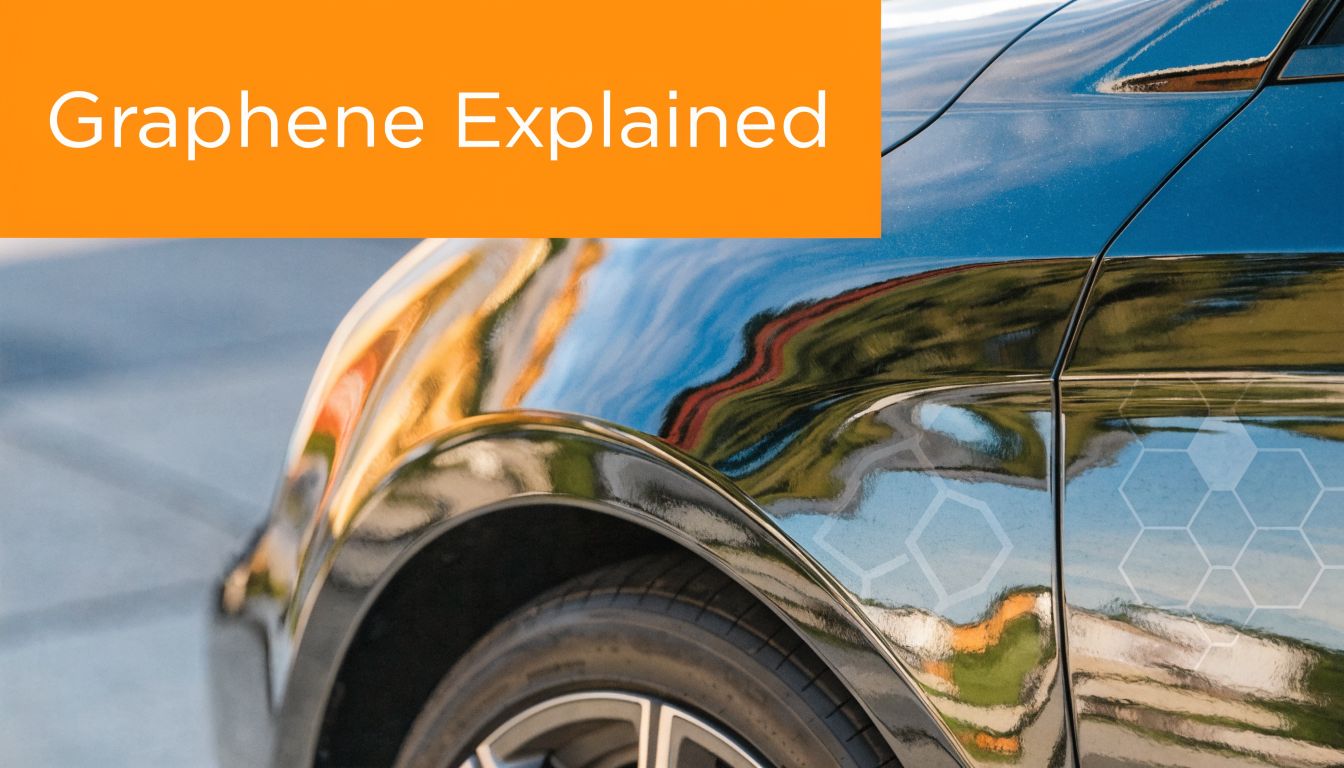
Graphene detailer spray makes more sense once you separate the label from the formula. In a detailing product, you are usually dealing with graphene oxide blended into other ingredients that help it spread, flash, and leave protection behind on the panel.
Graphene oxide matters because it can be worked into a liquid product in a way raw graphene cannot. In plain terms, that means chemists can build a spray that wipes on like a detailer but still leaves a slick protective film on paint, glass, trim, chrome, and wheels. The promise is simple. More than a gloss boost, less hassle than a true coating.
How it behaves on the surface
A wax usually sits on top of the paint and gives a richer, softer look. A ceramic spray usually aims for a tighter, more glassy shell. Graphene detailer spray tends to land in between in both feel and purpose.
A useful way to picture it is a very fine mesh spread across the surface. Not thick armor, and not a magic force field. More like a thin, slick film that makes it harder for water, dust, and fresh grime to hang on. That is why a good graphene spray often feels noticeably slick during wipe-off and leaves behind a sharper, cleaner-looking finish.
That said, the result still depends on the full formula, not the word "graphene" on the label.
Why the chemistry matters in the driveway
The practical advantage is flexibility. Because graphene oxide can be suspended in a sprayable formula, brands can build products that work as a drying aid, quick detailer, or topper over existing protection. You get easier application than a dedicated coating, but you also give up some of the long-term durability people associate with coating systems.
If you want that broader context, this guide to graphene coating for cars helps show where a spray fits compared with a more involved protection approach.
The same idea shows up in other surface-care products too. If you have ever used a spray-on wax, you already understand the appeal of fast application. Graphene detailers try to keep that convenience while adding a more modern, slicker style of protection.
Where the hype outruns reality
This is the part many beginners miss. "Graphene" does not tell you how well a product will perform by itself.
One formula may be excellent on warm paint and wipe clean with very little effort. Another may smear, grab, or streak if you use slightly too much. Some are best used alone for short-term protection. Others make more sense as maintenance sprays over ceramic-coated vehicles. Professional detailers who seem cautious are not rejecting the chemistry. They are judging the finished product the same way they judge any other one, by wipe-off, consistency, surface compatibility, and how the car behaves after a few washes.
So the smart question is not whether graphene technology is real. It is whether this specific spray gives you better real-world results than the ceramic or wax product already on your shelf.
Comparing Graphene Ceramic and Wax Sprays
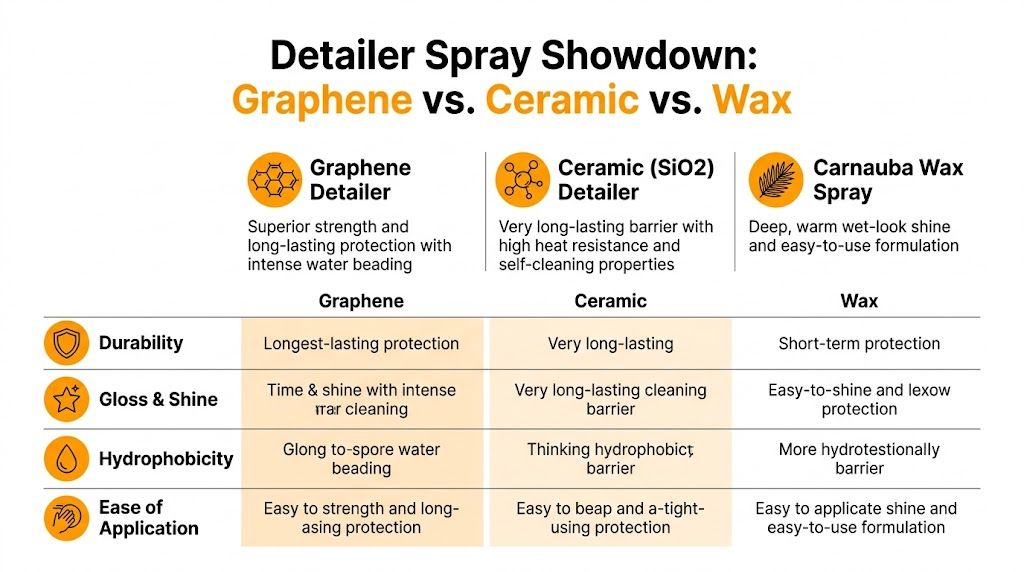
If you’re standing in the garage choosing between graphene, ceramic, and wax, the answer depends on what kind of result you care about most. Shine alone? Ease of use? Water behavior? Durability? All three technologies can make paint look better. They just do it differently.
The big differences at a glance
| Attribute | Graphene Detailer | Ceramic (SiO2) Detailer | Carnauba Wax Detailer |
|---|---|---|---|
| Durability | Often chosen when you want more staying power than a basic quick detailer | Common pick for strong maintenance protection and familiar performance | Usually the short-term option |
| Gloss and appearance | Crisp, sharp gloss with a slick look | Bright, reflective shine | Warm, classic glow |
| Water behavior | Strong beading and quick runoff are common goals | Strong hydrophobics are common, though behavior varies by formula | Usually less aggressive water behavior |
| Heat and water spotting behavior | Marketed for better heat management and less spotting | Effective, but some users still battle spots depending on conditions | Less focused on heat management |
| Application feel | Can be easy, but some formulas are finicky | Usually familiar to many detailers | Often the most forgiving |
| Best fit | Maintenance spray or topper for users chasing modern performance | Everyday protection choice for many enthusiasts and pros | Quick shine with low commitment |
That table is the garage-floor version. The chemistry gives a little more nuance.
Where graphene pulls ahead
Graphene’s selling point is usually water behavior plus durability. According to Tomahawk’s overview of graphene detail spray performance, graphene’s structure can create water contact angles often exceeding 110°, which is why beads can look so tight and round on a treated panel. The same source describes graphene’s thermal conductivity around 5000 W/m·K, which is presented as part of why the protective layer can help reduce water spotting.
In plain language, the panel tends to shed water more eagerly, and the surface is marketed as better at managing heat than many people expect from a simple spray product. That’s part of the appeal for dark paint and for vehicles that live outside.
Where ceramic still wins fans
Ceramic sprays have a big advantage that doesn’t fit neatly on a label. Familiarity.
A lot of detailers already know how a ceramic detailer flashes, wipes, and behaves in different temperatures. That makes it easier to trust on customer cars. Ceramic products also have a mature reputation in the market, so people know what kind of finish they’re likely to get.
If you want a broader base-level understanding of that product family, this overview of automotive ceramic coating helps place ceramic sprays in context.
Why wax still has a place
Wax isn’t obsolete. It’s just aimed at a different type of user.
Some people want a quick, forgiving shine boost and don’t care about squeezing the longest maintenance interval out of a bottle. In that case, a wax-based spray is still a reasonable choice. If you maintain multiple types of vehicles or even boats, this guide to spray-on wax is useful because it shows how spray wax products fit into simple maintenance routines.
Shop-floor takeaway: Graphene usually targets the most modern performance profile, ceramic offers the most familiar balance for many users, and wax remains the easiest path to a fast cosmetic win.
No one product is “best” in every garage. The best one is the one that fits your wash habits, your climate, and your tolerance for careful application.
The Tangible Benefits for Your Vehicle
The decision to purchase a graphene detailer spray isn't driven by a fascination with material science. It's made because there's a desire for the car to stay cleaner-looking, dry faster, and feel better under the towel.
That’s where the category becomes easier to judge. Forget the buzzword. Ask what changes after you use it.
What you notice right away
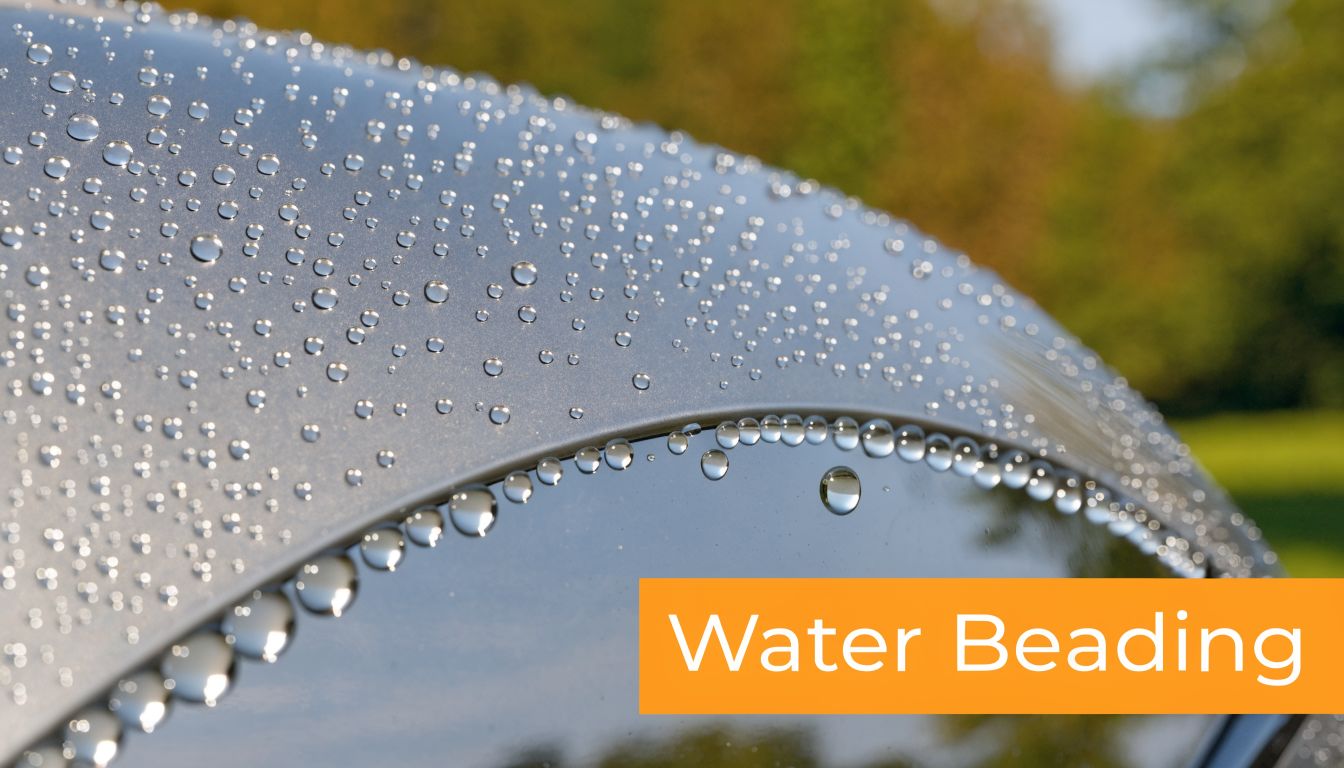
The first change is usually water behavior. After a wash, rinse water tends to tighten up instead of lying flat on the panel. Drying gets easier because less water wants to linger.
The second thing you notice is the feel. A properly applied graphene spray usually leaves the paint slick enough that your drying towel or finishing towel glides rather than drags. That slickness isn’t just for bragging rights. It helps routine wipe-downs feel safer and easier.
What you appreciate later
The bigger payoff often shows up between washes.
Fresh Layer’s in-depth review of seven graphene sprays on real vehicles reported standalone durability from 1 to 5 months, with some all-in-one formulas outlasting traditional spray waxes by 2 to 3 times, making them a more cost-effective option for many users than professional ceramic coatings. That summary comes from Fresh Layer’s graphene spray review.
That kind of staying power matters if you don’t want to start from zero after every wash. It means your maintenance product can keep contributing instead of just giving you a temporary shine hit.
Real-world benefits drivers care about
-
Less work during drying
Tight beading and better runoff mean you spend less time chasing leftover water. -
A cleaner look between washes
Many users choose graphene sprays because the finish tends to resist that freshly dusty look better than simpler dress-up products. -
A sharper finish
The appearance often leans crisp and glossy instead of soft and oily. -
Useful flexibility
Many formulas are designed for paint, glass, trim, and wheels, which simplifies your process.
On a daily driver, the best protection is the one you’ll actually keep using. A product that applies quickly and still lasts can beat a “better” product that stays on the shelf.
For RVs, tow vehicles, and larger trucks, this matters even more. Big vehicles are annoying to maintain if every step takes too long. A spray that helps with gloss, water behavior, and upkeep can make those large surfaces much less punishing to manage.
Graphene Myths and Practical Limitations
Graphene gets oversold. That’s the truth.
A graphene detailer spray can improve slickness, gloss, and water behavior. It can help with maintenance. It can add some resistance to the light wash-induced abuse that paint sees over time. But it does not make paint scratch-proof, and it does not give every user pro-level results automatically.
Why some pros stay cautious
Now, the conversation gets more honest.
According to Jimbo’s Detailing’s discussion of why pro detailers avoid graphene sprays, many professional detailers avoid consumer-grade graphene sprays because of streaking on dark paints, inconsistent flashing, and high spots that are difficult to remove. For a professional, that unpredictability is a real problem. Client work rewards repeatable results, not product drama.
A weekend enthusiast might tolerate a little trial and error. A pro trying to turn around multiple vehicles in a day usually won’t.
Common myths worth clearing up
-
“Graphene means stronger than anything else.”
Lab strength claims don’t automatically translate into a foolproof spray coating on your hood. -
“It replaces a real ceramic coating.”
In practice, many users get the best experience from graphene sprays as maintenance products or toppers. -
“If a little is good, more is better.”
Overapplication is one of the quickest ways to create smearing, streaking, or uneven gloss.
Reality check: The more advanced the chemistry sounds, the more disciplined your prep and wipe-off technique usually need to be.
Where users get into trouble
Dark paint shows mistakes fast. So do warm panels, humid weather, and cheap towels.
Another issue is expectation. If someone buys graphene detailer spray thinking it will behave like a dead-simple quick detailer, they may use too much product, work too large an area, and then blame the bottle when residue hangs around. Sometimes the product is the problem. Sometimes the method is.
That caution doesn’t make graphene a bad category. It just means balanced advice is better than hype. The goal is to use it where it excels, not force it into jobs it doesn’t handle gracefully.
Your Step-by-Step Application Guide
Application makes or breaks a graphene detailer spray. The bottle can be excellent, but poor prep will still leave you chasing streaks and wondering what went wrong.
Start with a properly washed vehicle. If you need a simple refresher on general vehicle washing techniques, that kind of overview is useful because wash quality decides whether your towel glides over clean paint or drags contamination across it.
The basic method that works
Use this when the vehicle is clean and dry:
-
Cool panel first
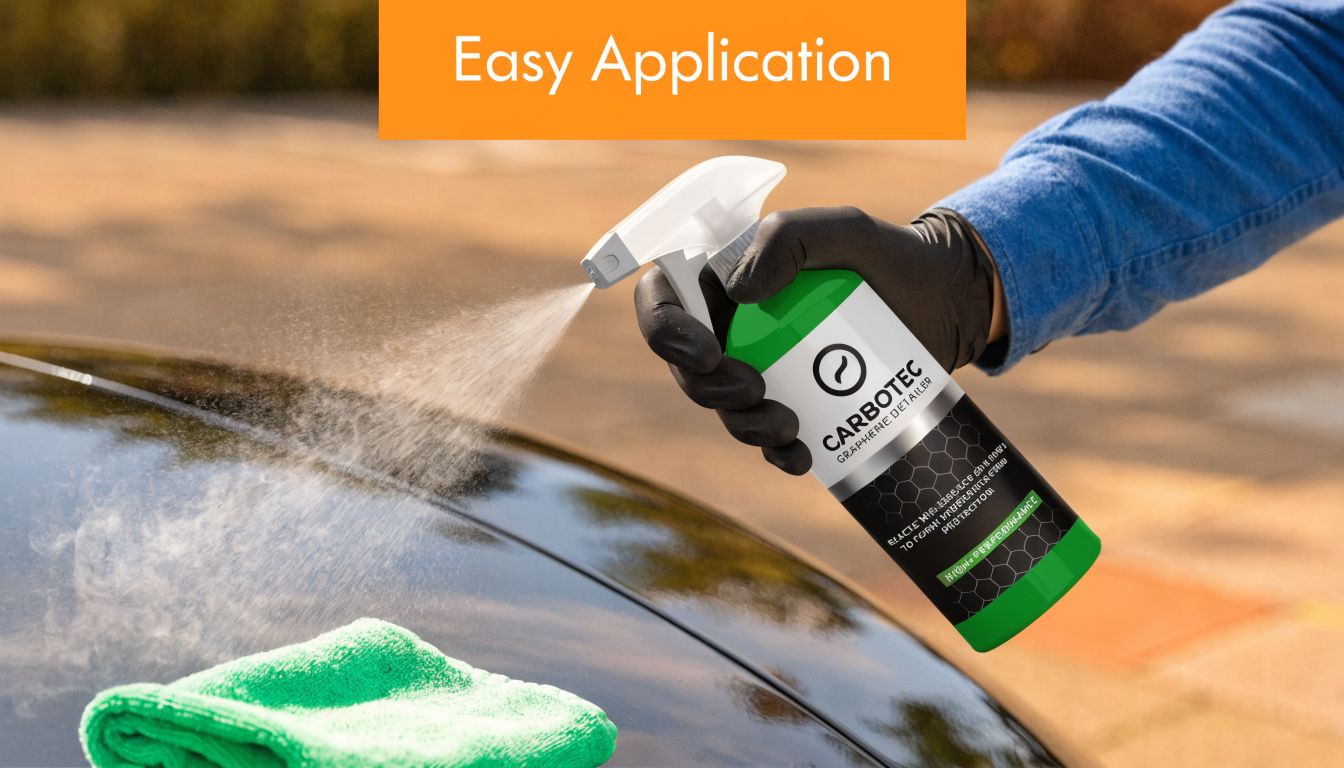
Work in the shade if you can. Hot paint makes many detail sprays flash too quickly. -
Grab two microfiber towels
One towel spreads the product. The second towel buffs off residue. If your towels are rough, overloaded, or contaminated, the finish will show it. -
Work one small section at a time
A door half, part of the hood, or a single fender is a safer rhythm than spraying the entire vehicle. -
Use less product than you think
A light mist is usually enough. Too much product often causes the “graphene haze” people complain about. -
Buff immediately
Don’t let the residue sit around longer than needed. Level it while it’s fresh.
If you need a deeper dive into towel choice and pad handling, this guide on the microfiber applicator pad is a useful companion read.
Using it as a drying aid or topper
This is one of the most practical uses for the category.
According to 303’s product page for graphene detailer, when used as a topper, graphene-infused detailers can provide up to 90 days of protection. The same source says that on wet vehicles they can act as a drying agent by encapsulating water, which can reduce rinse times by up to 40% and help prevent flash drying spots.
That makes sense for people who don’t want a separate finishing step after every wash. Wash, rinse, lightly apply during drying, and refresh the protection layer at the same time.
Use graphene detailer spray like seasoning, not gravy. A thin, even layer usually beats a heavy-handed application.
For a visual walkthrough of wipe-on technique and product behavior, this short demo helps:
Three mistakes to avoid
- Applying over dirty paint A detailer spray isn’t a substitute for proper decontamination when the surface is dirty.
-
Trying to coat the whole car at once
Small sections keep the product manageable. -
Using bargain-bin towels
Good chemistry still needs good contact material.
A clean surface, light application, and disciplined buffing will solve most of the complaints people have with this category.
Is a Graphene Detailer Spray Right for You?
For a DIY enthusiast, the answer is often yes. A graphene detailer spray can give you a modern, slick finish with stronger water behavior and better staying power than many basic quick-detail products, without demanding the commitment of a full coating install.
For an RV owner or someone maintaining larger vehicles, it can also make sense. Big surfaces reward products that are fast to apply and helpful during drying and upkeep. A maintenance spray that adds gloss while making wash days less painful is valuable on vehicles that spend a lot of time outside.
For a professional detailer, the answer is more conditional. As a maintenance topper or wash-stage enhancer, graphene can be useful. As a default finishing spray on every client car, some pros will still prefer ceramic products because they trust the consistency more.
A simple buying filter
Ask yourself these questions:
- Do you want easy maintenance more than maximum permanence?
- Are you willing to use careful towel technique?
- Do you prefer a topper that boosts an existing protection layer, or do you want a stand-alone maintenance product?
- Will streaking on dark paint drive you crazy?
If you answered yes to the first three and no to the last one, graphene detailer spray is probably a strong fit. If you want the most forgiving product possible, or you need flawless repeatability on every black vehicle that rolls in, you may still lean ceramic.
The balanced verdict is simple. Graphene detailer spray is a useful tool, not a miracle. Used correctly, it gives a sharp finish, satisfying water behavior, and solid maintenance value. Used carelessly, it can become one more fussy bottle on the shelf.
If you want to make wash prep faster before applying your favorite finishing product, take a look at SwiftJet. Its foam gun setup helps you cover vehicles quickly with thick foam, making routine cleaning easier for cars, trucks, and RVs before you move on to drying aids, toppers, or a graphene detailer spray.
